dental · EN
Small Chipped Tooth or Hairline Crack: Early Signs and Why You Shouldn’t Wait Until It Hurts to Get It Checked

# Small Chipped Tooth or Hairline Crack: Early Signs and Why You Shouldn’t Wait Until It Hurts to Get It Checked
Sometimes, the **early signs of a hairline crack in a tooth** are very hard to spot. It may begin with discomfort when chewing, sensitivity to cold or hot foods, or a feeling that something just isn’t quite right with the tooth. Even if the crack is small, it still deserves attention early so the problem does not become bigger.
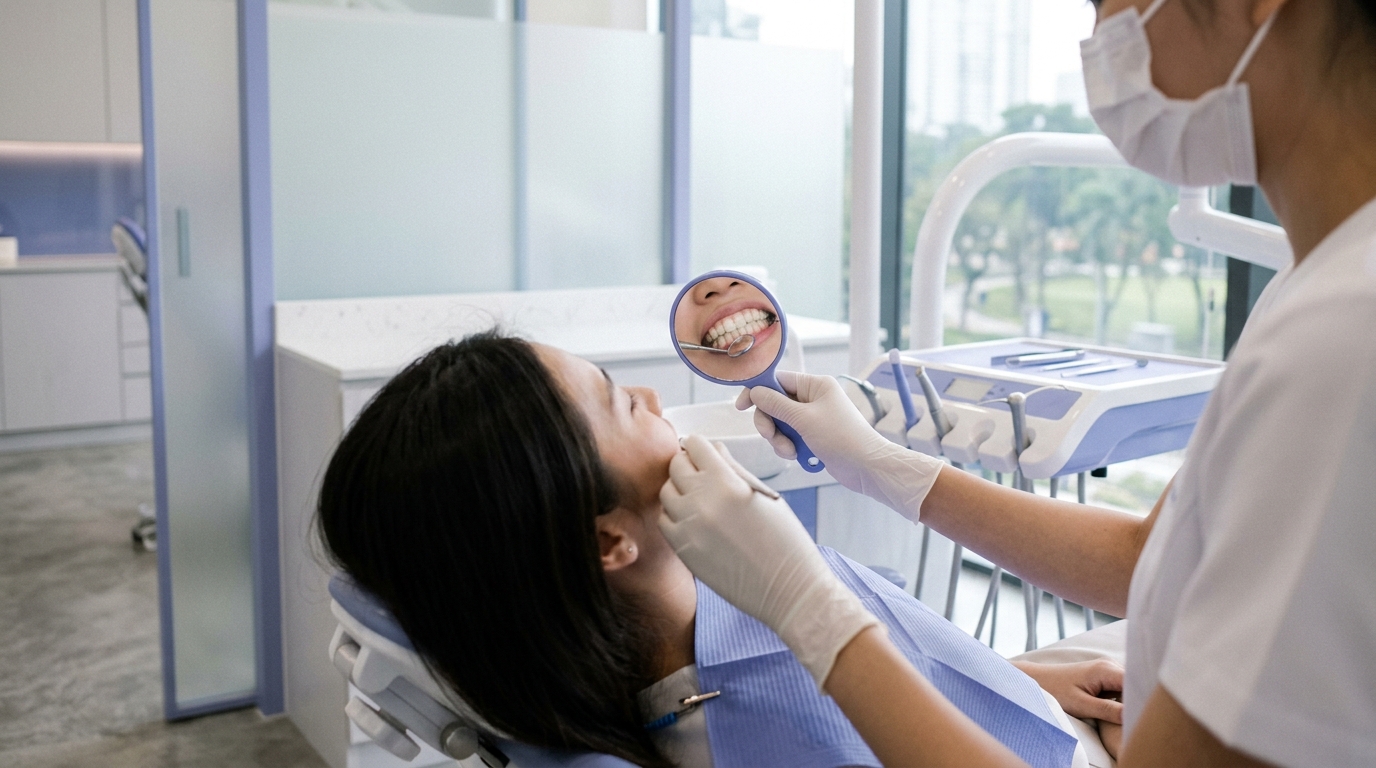
What are the signs of a hairline crack in a tooth?
Small cracks in a tooth do not always show clearly to the naked eye. Some appear only as a fine line on the tooth surface, while others are only felt when the tooth is used for chewing. In many cases, the first signs are not severe pain, but small changes that keep happening.
Common signs to look out for include:
a sharp twinge when drinking cold water or eating hot food
mild pain when biting or chewing
discomfort in one specific tooth
pain that comes and goes
sometimes, a part of the tooth may feel rough or uneven
These signs do not necessarily mean there is a crack, but they are enough reason to get it checked.
Why a small crack should not be taken lightly
A cracked tooth can become more sensitive as it is used normally every day. Pressure from biting, chewing, or tearing hard foods can make the crack worse. When that happens, treatment may become more complicated than if it had been found early.
More importantly, small cracks can be difficult to see on your own. Many people wait until the pain becomes obvious, even though at the early stage the tooth may still look “normal” from the outside. That is why an early check is better than waiting for more serious symptoms.
Signs that should make you more alert
1. Pain after biting
Some people feel pain for a moment after biting into something. The pain may go away quickly, but if it keeps returning, it is a sign that should not be ignored.
2. Sensitivity to temperature
If a tooth suddenly becomes sensitive to ice, hot drinks, or sweet foods, it may indicate a change in the tooth’s surface or internal structure.
3. A “sharp” feeling or a change in the tooth surface
Sometimes, your tongue can detect a surface that no longer feels the same as before. It may seem minor, but it is still a useful early clue.
4. Pain without any clear cause
If the discomfort appears even though you do not remember hitting the tooth or biting something hard, an examination is still important. Small cracks can happen without you noticing.
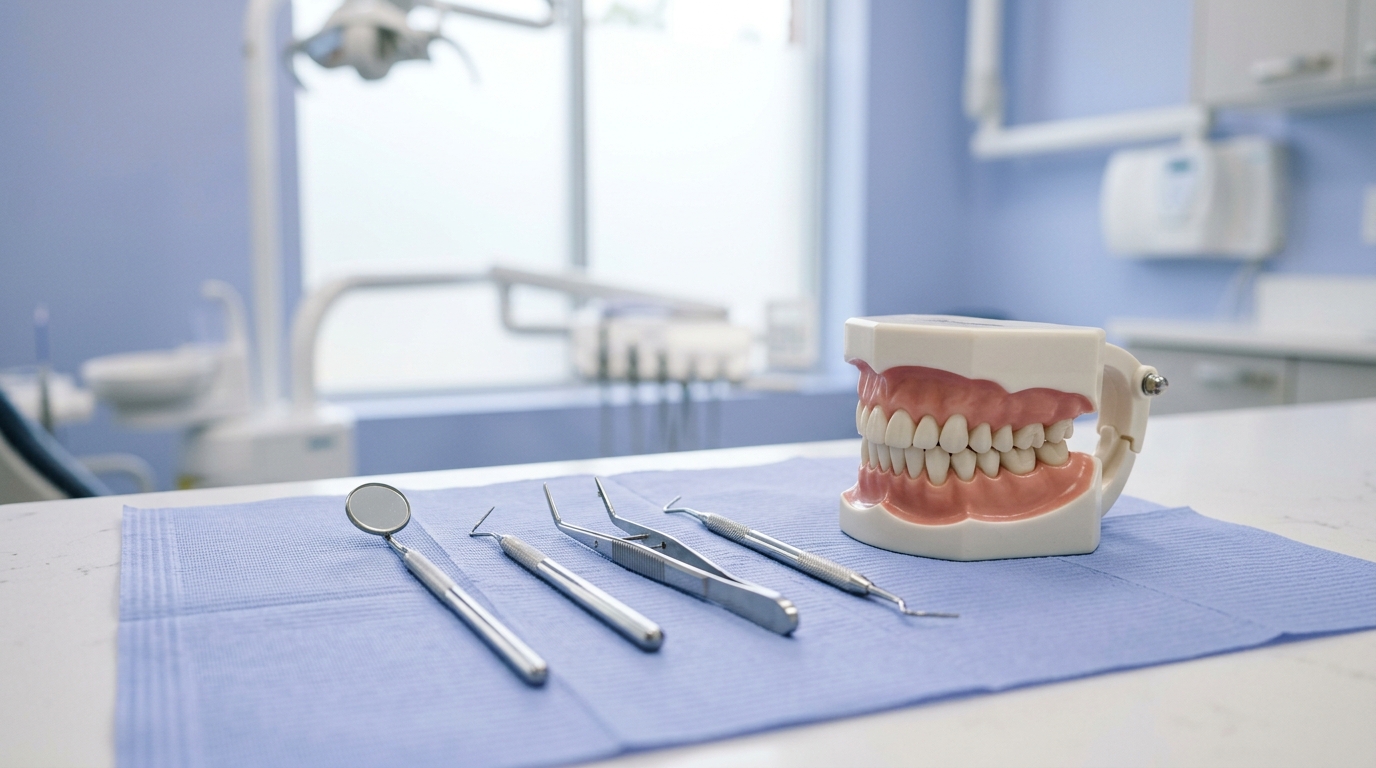
What you can do while waiting for an examination
If you suspect a tooth is cracked or chipped, try to reduce pressure on that tooth for now. Avoid chewing hard foods on the same side. Choose softer foods if the tooth feels sensitive, and do not make a habit of biting ice, bones, or other hard objects.
If you tend to brush too hard or clench your teeth when stressed, that should also be addressed. Habits like these can add more pressure to an already weakened tooth.
Most importantly, do not keep “testing” the tooth by biting hard things to see whether it still hurts or not. That can make the situation worse.
Why an early examination helps more
An early examination helps the dentist assess whether the issue is truly a crack, simply wear on the tooth surface, or another condition with similar symptoms. In some cases, a small crack may not be visible without a careful examination.
For many people, coming in early also gives more space to discuss the next steps calmly. You do not have to wait until the pain starts affecting eating, speaking, or your daily routine.
When should you make an appointment?
If you notice a small change in a tooth, especially when it is accompanied by discomfort while chewing, that is already enough reason to have it checked. For teenagers, adults, or anyone who often eats hard foods, an early examination can be a wise step before the problem becomes more serious.

If you can see a small crack or feel discomfort when chewing, make an appointment for an examination.
*This article is for general educational purposes only. A clinical examination is required for advice suited to your dental condition.*
Dr. Irma
DDS (UKM) · Klinik Pergigian Irma Ariandi
Ditulis oleh Dr. Irma (DDS, UKM), Klinik Pergigian Irma Ariandi.
Profil doktor →MASIH TIDAK PASTI?
Tanya Dr. Irma. Beritahu kami secara ringkas apa yang mengganggu anda, dan pasukan klinik kami akan pandu anda ke langkah seterusnya yang sewajarnya.
Komunikasi WhatsApp membantu klinik mengarahkan anda — ia bukan diagnosis.