
dental · EN
Clear Aligners vs Braces: Which Is Better for Teens and Adults?
# Clear Aligners vs Braces: Which Is Better for Teens and Adults?
Choosing between **clear aligners vs braces** is often one of the first questions people ask when they start thinking seriously about straighter teeth. For teens, the decision may revolve around comfort, appearance, and daily routine. For adults, it may also include work, social confidence, and how much time they want to spend caring for orthodontic appliances. If you are in JB, or considering treatment while living in Singapore or Batam, it helps to understand the differences before booking a consultation.

What are clear aligners and braces?
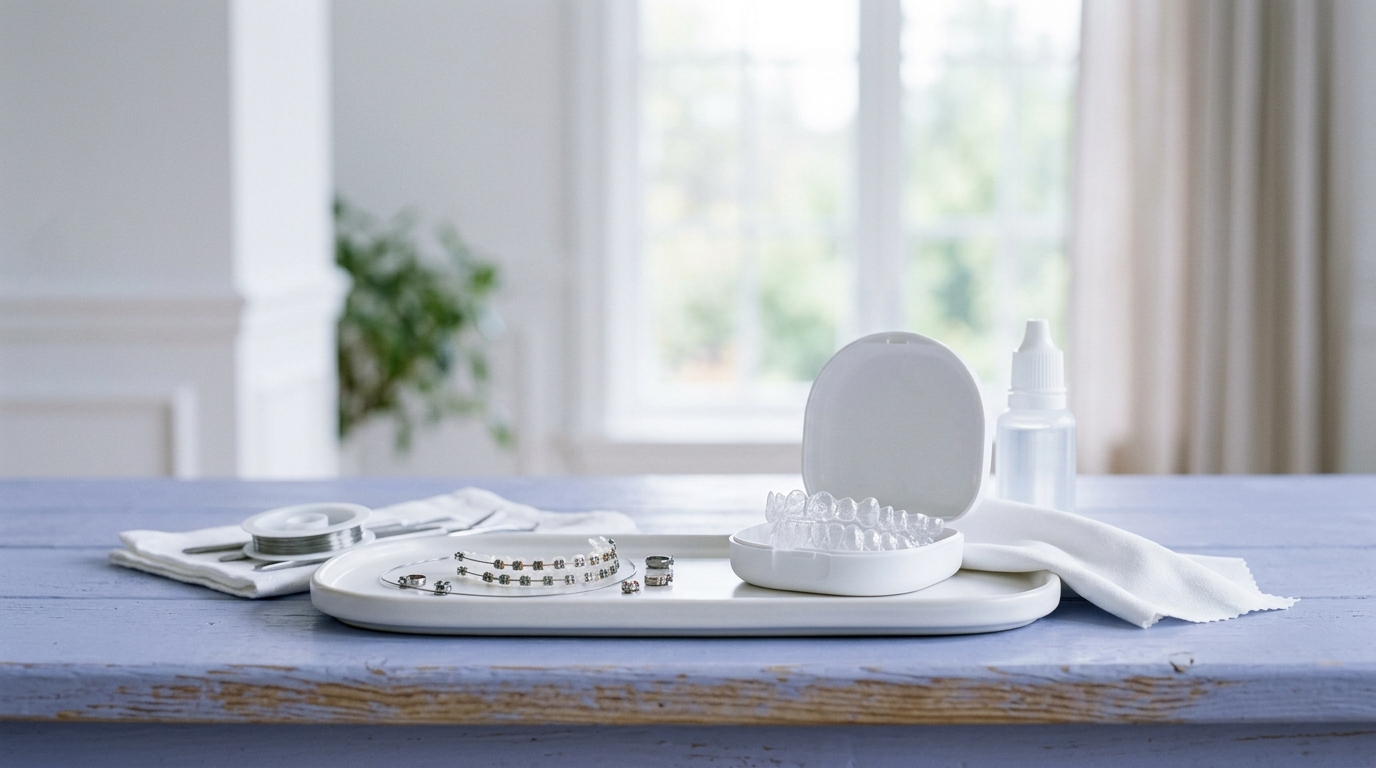
Both clear aligners and braces are designed to guide teeth into better alignment over time, but they do so in different ways.
**Braces** use brackets and wires attached to the teeth. They are fixed in place and adjusted periodically during treatment.
**Clear aligners** are removable, transparent trays made to fit over the teeth. They are changed in a planned sequence as treatment progresses.
The best option depends on several factors, including the type of tooth movement needed, daily habits, and how consistent the patient can be with care and wear time.
Clear aligners vs braces: key differences to consider
When comparing **clear aligners vs braces**, it is useful to think beyond appearance alone.
Appearance
Clear aligners are less noticeable, which can appeal to teens who feel self-conscious and adults who prefer a more discreet look. Braces are more visible, though some patients are comfortable with that and may even prefer the sense that treatment is straightforward and fixed.
Daily lifestyle
Aligners can be removed for eating and brushing, which may make mealtimes and oral hygiene feel easier. However, they need discipline. They must be worn as instructed to be effective.
Braces stay on the teeth all day, which removes the need to remember to put them back in, but also means extra care during meals and cleaning.
Comfort and maintenance
Both options can feel uncomfortable at times because teeth are being moved gradually. Clear aligners may feel smoother on the cheeks and lips, while braces may involve brackets and wires that require adjustment and adaptation.
Cleaning is also different. Aligners need regular cleaning themselves, while braces require careful brushing around wires and brackets to keep teeth and gums clean.
Treatment suitability
Not every smile concern is the same. Some orthodontic cases may be suitable for aligners, while others may benefit more from braces. A clinical examination is necessary to assess the teeth, bite, and jaw relationship before a recommendation can be made.
Which option may suit teens?
For teens, the choice often comes down to routine and responsibility.
Clear aligners may suit teens who can follow instructions carefully and keep track of wearing and cleaning them. They may be a good fit for those who want a discreet option and are comfortable handling removable appliances.
Braces may suit teens who prefer not to manage removable trays or who may find it difficult to wear aligners consistently. Because braces are fixed, they do not rely as much on daily memory and compliance.
Parents may also want to consider school schedules, sports, music activities, and how much support the teen will need with hygiene and appointments.
Which option may suit adults?
Adults often look for treatment that fits into work, travel, and social routines. Clear aligners are popular with people who want a lower-profile orthodontic option and the flexibility to remove them for meals or important occasions.
Braces may still be a strong choice for adults who need a treatment approach that stays in place and does not depend on remembering to wear trays every day.
For adults in JB who travel frequently to Singapore or Batam, convenience may matter just as much as treatment style. Appointment timing, follow-up visits, and day-to-day maintenance are practical points worth discussing during consultation.
Questions to ask before choosing
If you are unsure where to start, these questions may help guide the discussion with a dentist:
How suitable is my case for clear aligners or braces?
What kind of care will I need at home?
How often will I need follow-up visits?
Which option best matches my routine and habits?
Are there any limits based on my teeth or bite?
A good orthodontic recommendation is never one-size-fits-all. The right choice is the one that fits both your dental needs and your lifestyle.
A simple way to decide
There is no universal winner in the **clear aligners vs braces** comparison.
Clear aligners may appeal to those who want a discreet, removable option and are confident with daily discipline. Braces may be better for patients who want a fixed treatment that does not rely on remembering to wear trays.
For teens, the decision often involves support at home and consistency. For adults, it often involves convenience, work, and comfort with visibility. In both cases, the most helpful next step is a professional evaluation.

If you are still deciding between braces and clear aligners, **book a consultation at Klinik Pergigian Irma Ariandi to find out whether braces or clear aligners may suit your teeth.**
*This article is for general education only. A clinical examination is required for personal dental advice.*
Dr. Irma
DDS (UKM) · Klinik Pergigian Irma Ariandi
作者:Dr. Irma (DDS, UKM),Klinik Pergigian Irma Ariandi。
医生简介 →