dental · EN
Teeth scaling: what happens during treatment and why it matters
# Teeth Scaling: What Happens During Treatment and Why It Matters
Many people search for **what happens during teeth scaling treatment** because the term is often mentioned, yet the process itself can still feel unfamiliar. In fact, teeth scaling is a professional cleaning treatment that helps remove plaque and tartar from the surfaces of the teeth and the areas around the gums that are difficult to clean with brushing alone at home.
For many adults in Johor Bahru, busy parents, and cross-border patients who want a clearer understanding of dental treatment, knowing what happens during scaling can make a clinic visit feel calmer and more predictable.
What happens during teeth scaling treatment?
In short, scaling is the process of cleaning the surfaces of the teeth to remove soft buildup known as plaque, as well as hard deposits called tartar. Tartar usually sticks to areas that are harder to reach, such as near the gumline and between the teeth.
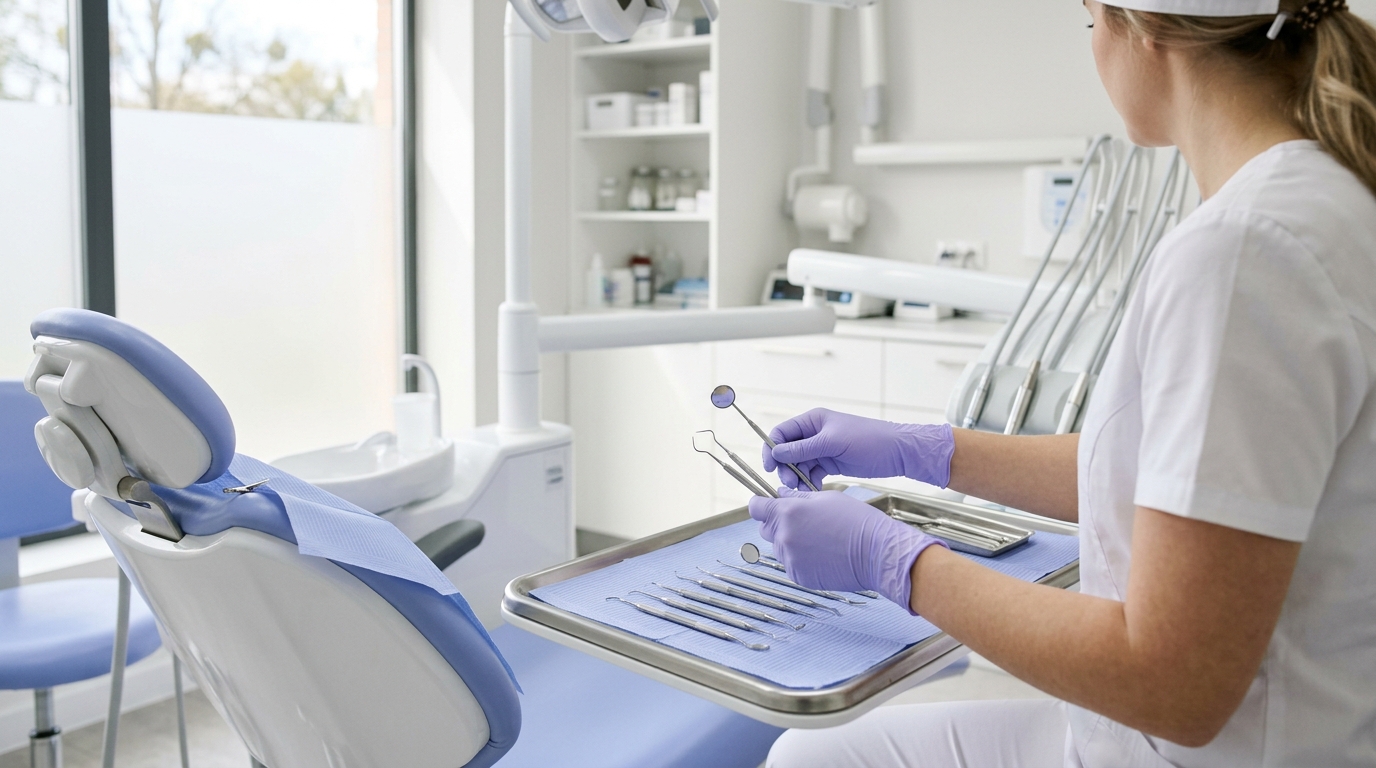
During treatment, the dentist or dental team will first assess the condition of your mouth. This helps them understand which areas need attention. After that, special instruments are used to clean the tooth surfaces more thoroughly than daily home care can.
What you may feel during the procedure
Everyone’s experience can be different. Some people feel it as a light vibration or mild discomfort, especially if there is a lot of tartar buildup or the gums are sensitive. Others only notice the water and the movement of the cleaning instrument on the teeth.
If you have ever delayed a check-up because you were worried about pain or the sound of the tools, that is completely normal. Many patients feel more confident after understanding the treatment steps in advance.
Common steps during scaling
Although each clinic may follow a slightly different routine, the general flow of treatment usually includes the following:
1. Initial examination
The dentist will look at the condition of the teeth and gums to assess where plaque and tartar have built up. This is also a good time for you to ask questions, especially if you have sensitive teeth or a history of gum problems.
2. Removal of plaque and tartar
At this stage, deposits on the tooth surface are cleaned using dental instruments designed for that purpose. The focus is on cleaning areas that are not easy to reach with a regular toothbrush.
3. Cleaning between the teeth and along the gumline
The spaces between the teeth and along the edges of the gums are often where debris builds up without being obvious. Cleaning these areas is important because it helps keep the mouth cleaner overall.
4. Reassessment
After the cleaning, the dentist may check the teeth and gums again. If there are areas that need attention at a future visit, you will be informed more clearly.
Why scaling matters for oral health
Scaling is not just about making teeth look cleaner. It matters because plaque and tartar left for too long can make daily oral care more difficult. When the tooth surfaces are clean, brushing and flossing are usually more effective.
In addition, the professional examination during treatment gives the dentist a chance to spot changes in the teeth and gums early. This helps you maintain your oral care routine more consistently and stay aware of your current oral health.
Who is scaling usually recommended for?
Many adults benefit from regular professional cleaning, especially those who:
develop tartar easily
feel that their teeth become rough or coated quickly
find it difficult to clean the back teeth
want a professional check-up together with cleaning
For parents, understanding scaling is also useful because it helps build better oral care habits within the family. Children learn from the routines of the adults around them.
How to prepare for a scaling appointment
You do not need to make complicated preparations. Just come with basic information about your oral health, including whether you have sensitive teeth, gums that bleed easily, or any specific concerns. If you feel discomfort during treatment, let the clinic team know so they can help you better.
After treatment, continue your daily care such as brushing your teeth twice a day and cleaning between your teeth in the appropriate way. Home routines and professional cleaning complement each other.

Conclusion
If you have been wondering **what happens during teeth scaling treatment**, the answer is that it is a professional cleaning process that helps remove plaque and tartar while giving the dentist a chance to assess your oral health more carefully. For many people, understanding the process makes a clinic visit easier and less intimidating.
If it is time for your cleaning, schedule an appointment with **Klinik Pergigian Irma Ariandi**.
*This article is for general educational purposes only and does not replace a clinical examination. For advice tailored to your condition, please seek an assessment from a dentist.*
Dr. Irma
DDS (UKM) · Klinik Pergigian Irma Ariandi
作者:Dr. Irma (DDS, UKM),Klinik Pergigian Irma Ariandi。
医生简介 →