
dental · EN
What Is FRC Dental Treatment and Who Is It For?
# What Is FRC Dental Treatment and Who Is It For?
If you’ve been hearing about **FRC dental treatment** and wondering whether it could help with a chipped tooth, a worn edge, or a small gap in your smile, you’re not alone. Many people in Johor Bahru — including parents comparing options for teens, and patients coming from Singapore or Batam — want a clearer, simpler explanation before they book a consultation. FRC is one of the restorative options that may be discussed when a dentist is looking for a conservative way to rebuild or improve a tooth.

FRC dental treatment: a simple explanation
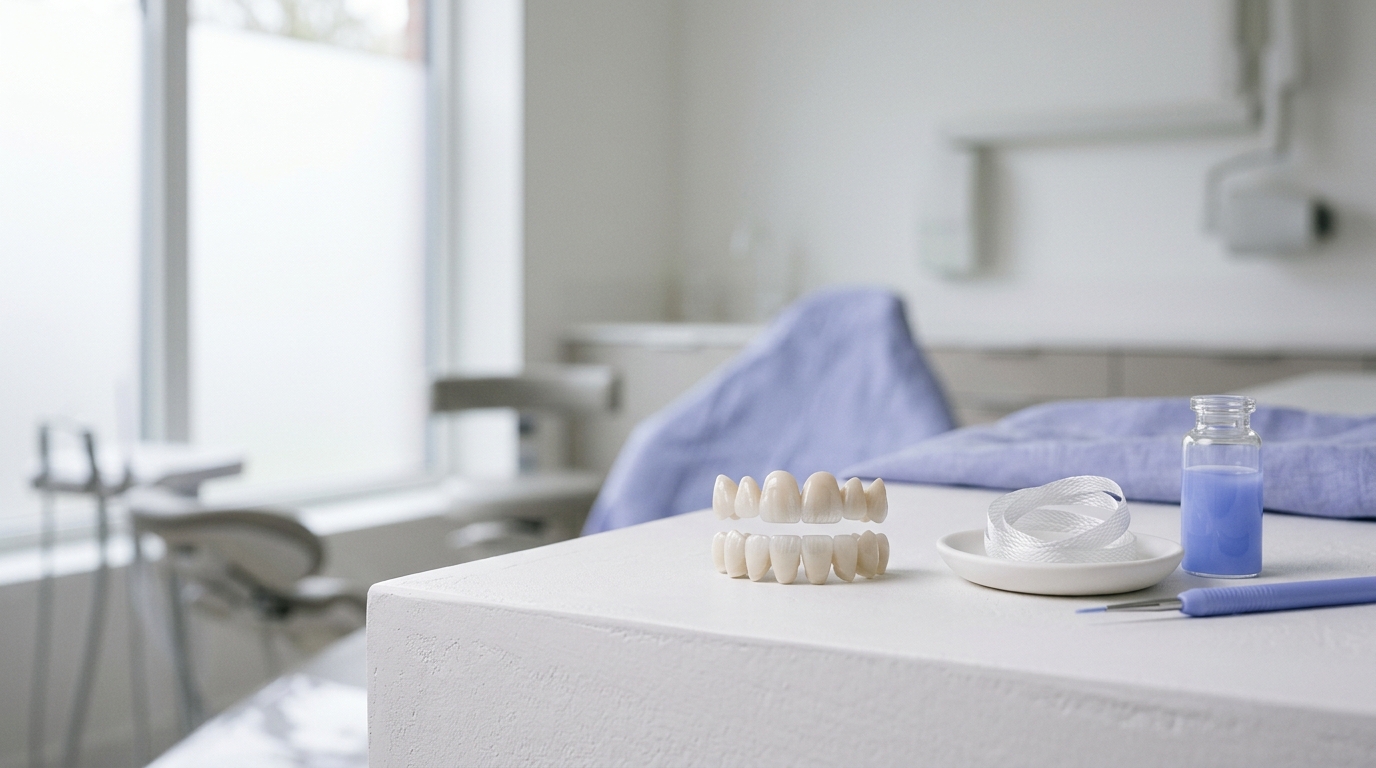
**FRC dental treatment** usually refers to a restorative approach that uses fibre-reinforced composite materials. In everyday terms, it is a dental treatment that combines composite resin with reinforcing fibres to help restore tooth structure in selected cases.
Depending on the situation, a dentist may consider FRC for tasks such as:
rebuilding a tooth that has been partially damaged
supporting a tooth after certain restorative procedures
improving the shape or appearance of a front tooth
addressing limited structural problems where a less invasive option may be suitable
Because every mouth is different, the exact use of FRC can vary. That is why a proper examination matters: what looks “small” from the outside may need a different solution once the bite, enamel, and surrounding teeth are assessed.
Why some people consider FRC over other options
When patients compare restorative choices, they often want something that feels practical, conservative, and comfortable. FRC may come up in conversations because it can be used in selected cases without immediately jumping to more extensive treatment.
A dentist may discuss FRC when:
the tooth damage is not extensive
preserving natural tooth structure is a priority
the area involved is visible and appearance matters
the patient is looking at different restorative pathways before choosing a more complex option
For some JB families, this conversation may happen during a routine visit after a teen chips a front tooth while eating or playing sports. For adults travelling from Singapore or Batam, it may come up when comparing treatment planning styles and deciding what feels manageable for their schedule and goals.
Who is FRC dental treatment for?
FRC is **not a one-size-fits-all answer**. It may be considered for people who need a carefully planned restorative solution, especially in the front teeth or in situations where the dentist wants to balance function and aesthetics.
It may be suitable for:
teens with minor tooth damage, depending on the clinical situation
adults with small fractures or localized wear
patients who want to explore conservative restorative options
people who prefer a treatment discussion before committing to something more extensive
It may **not** be suitable in every case. If a tooth has major structural loss, deep decay, significant bite issues, or other complications, another restorative approach may be more appropriate. A dentist can explain the differences after examining the tooth directly.

What happens during a consultation?
A consultation is the best way to understand whether FRC is being considered for your case. During the visit, the dentist may:
examine the tooth and surrounding teeth
check your bite and how the teeth meet
review whether the area is suitable for a conservative restoration
explain alternatives, if needed
answer questions about care, maintenance, and planning
This is also the right time to ask practical questions, especially if you are comparing treatment options across borders or planning around school schedules, work, or travel.
Questions to ask before deciding
If you are considering FRC dental treatment, it can help to ask:
What problem is the treatment trying to address?
Why is FRC being considered for my tooth?
Are there other restorative options?
How will this fit with my bite and daily habits?
What kind of follow-up care may be needed?
Clear questions often lead to clearer decisions. And when patients understand the “why,” they usually feel more confident about the next step.
A thoughtful option, but not for guessing
FRC can be a helpful topic to explore if you want a more conservative restorative conversation. But the real answer depends on your tooth, your bite, and your overall oral health. What works well for one person may not be the right choice for another.

If you’re comparing restorative options and want professional guidance, **book a consultation at Klinik Pergigian Irma Ariandi to check whether FRC is suitable for your teeth.**
*This article is for general education only and does not replace a clinical examination. A dentist must assess your teeth in person to provide personal advice.*
Dr. Irma
DDS (UKM) · Klinik Pergigian Irma Ariandi
作者:Dr. Irma (DDS, UKM),Klinik Pergigian Irma Ariandi。
医生简介 →