
maintenance/aftercare · EN
Braces Maintenance: Eating, Brushing, and Looking After Brackets Isn’t a Big Deal — But Don’t Be Careless
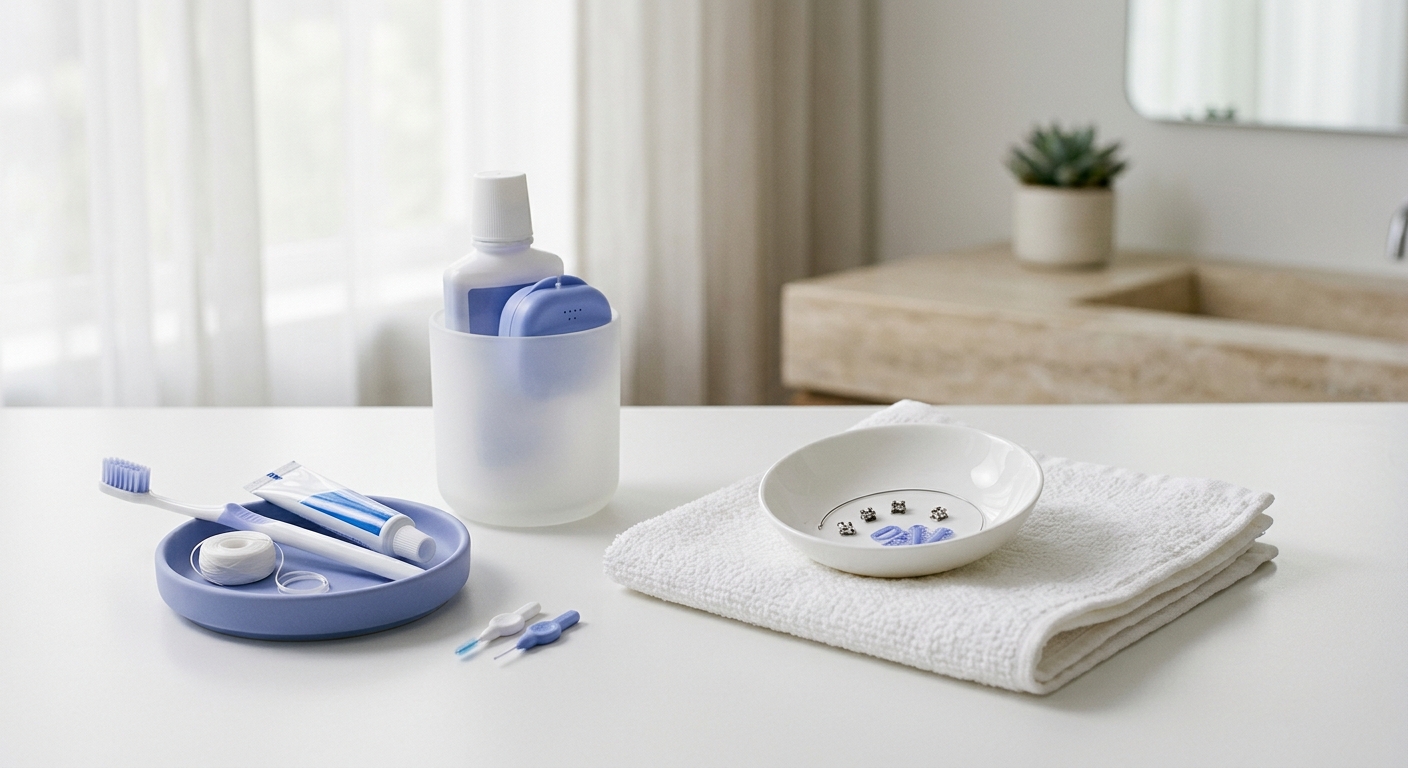
Braces maintenance may seem like a small matter. Watch what you eat, brush your teeth, take care of your brackets. But for anyone wearing braces, these “small” things are exactly what determine whether your daily routine feels smooth or constantly uncomfortable. When your mouth is well cared for, hygiene is easier to maintain, food is less likely to get stuck, and you’re less likely to face that panic when a bracket feels off.
In this article, we look at the basic steps that can help braces patients, parents caring for their children, and adults who sometimes struggle to stay consistent. The focus is simple: maintain the routine, reduce problems, and make braces care fit more naturally into everyday life.

Consistent braces maintenance starts with a daily routine
When you have braces, dental care is no longer just about “brushing twice a day” in a general sense. There are small spaces around the brackets and wires that can easily trap food particles. That’s why a consistent daily routine is so important in braces maintenance.
Some basic things to pay attention to:
**Brush your teeth carefully after meals** when possible
**Clean around the brackets and wires** with gentle, thorough movements
**Don’t ignore the spaces between your teeth** because these areas are easy to miss
**Use the same routine every day** so it becomes a habit, not a burden
When this routine is done regularly, it not only helps keep your mouth clean, but also makes it easier to feel confident throughout the day.
Eating with braces: not impossible, just smarter
Many people feel like there are a lot of things they “can’t eat” when wearing braces. In reality, the more accurate way to look at it is this: you can still eat, but you need to choose and chew more carefully.
A few simple principles can help:
Choose foods that are safer for brackets
Foods that are too hard, sticky, or overly chewy can make braces care more difficult. They may leave more residue behind or put pressure on the brackets. On the other hand, softer foods that are easy to chew are usually more suitable for daily routines.
Cut food into smaller pieces and eat slowly
Rushing through meals often makes us less aware of what gets stuck. Cutting food into smaller pieces helps make chewing more controlled. This is especially helpful for children who are still adjusting to braces, and also for adults who eat while busy.
Drink water after meals
This may sound simple, but it’s very useful. Water can help wash away lingering tastes or leftover food particles while you make your way to the sink for a more thorough clean.
Brushing teeth is not just a routine, but a way to care for brackets
One thing people often underestimate is technique and patience. In braces maintenance, brushing in a hurry may not be enough to clean the areas around the brackets.
Focus on areas that are easy to miss
The areas around the brackets, above and below the wires, and the back surfaces of the teeth are often where food particles collect. So, brushing needs a little more attention than usual.
Don’t brush too hard
Too much pressure does not mean cleaner teeth. In fact, gentle but consistent movements are usually better for maintaining hygiene while avoiding discomfort.
Make it a routine that’s easy to repeat
If a step is too complicated, it’s hard to sustain. Try to build a routine that’s easy to follow every day. Morning, after meals when appropriate, and at night before bed — so braces care feels more natural.
When a bracket feels irritating, don’t panic
Along the journey of wearing braces, some days are more challenging than others. There may be discomfort, or a bracket may feel like it’s poking a little. When this happens, the most important thing is not to panic and not to take it lightly.
What you can do:
Check in the mirror to see whether any food is stuck
Be extra careful when cleaning the area that feels uncomfortable
Don’t try to adjust it yourself if you’re not sure how
Get a clinical examination if the discomfort continues or becomes more bothersome
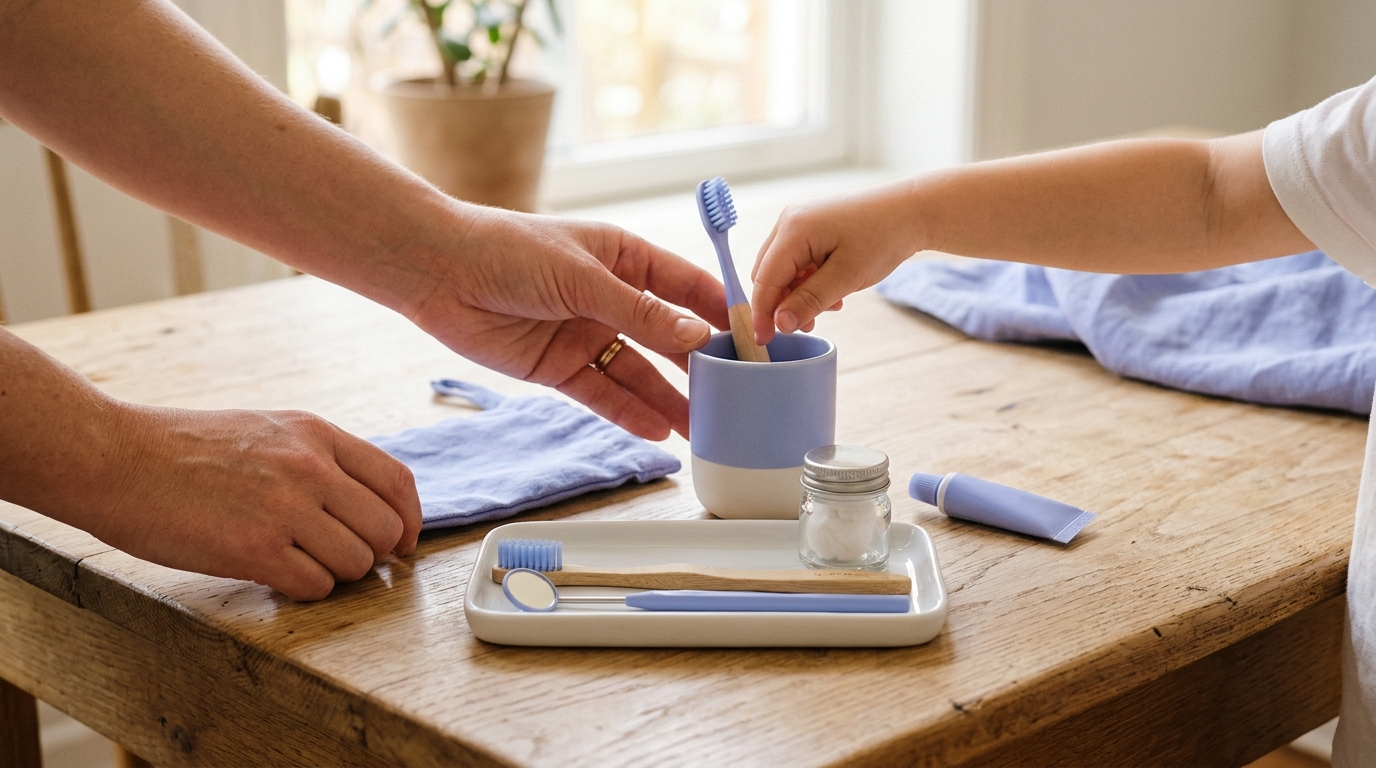
For parents, this is also a good time to teach children the difference between normal discomfort and a situation that needs attention. For adults, it’s a chance to stop blaming yourself and return to the basics.
Consistency matters more than perfection
Many people stop for a while because they feel “too busy” or think “later”. But in braces maintenance, being consistent little by little is usually better than trying to be perfect once in a while.
If you’re the type to forget easily, try:
Create an easy-to-remember routine
Keep your dental care kit somewhere visible. When your tools are easy to see, you’re less likely to put it off.
Follow a steady daily pattern
For example, brush after main meals and before bed. Once the timing is fixed, your body will adjust more quickly.
Make it a family effort
For children wearing braces, parental support helps a lot. For adults, support from a spouse, housemates, or even a reminder note can make a big difference.

Braces maintenance is not about being perfect every day. It’s about taking small repeated steps so your mouth feels cleaner, your routine stays more organised, and your braces journey becomes less of a hassle. When you eat more wisely, brush more carefully, and take better care of your brackets consistently, many small things become easier.
If you’re wearing braces now, save this guide so your daily routine feels easier and less stressful.
"Make your braces journey a beautiful part of life"
*This article is for general educational purposes only. For advice suited to your dental condition and braces, a clinical examination is required.*
Dr. Irma
DDS (UKM) · Klinik Pergigian Irma Ariandi
Written by Dr. Irma (DDS, UKM), Klinik Pergigian Irma Ariandi.
Doctor profile →STILL UNSURE?
Ask Dr. Irma. Tell us briefly what concerns you and our clinic team will guide you on the next appropriate step.
WhatsApp communication helps the clinic guide you — it is not a diagnosis.