
Restorative
Strong, metal-free ceramic — for teeth that need protection or replacement.
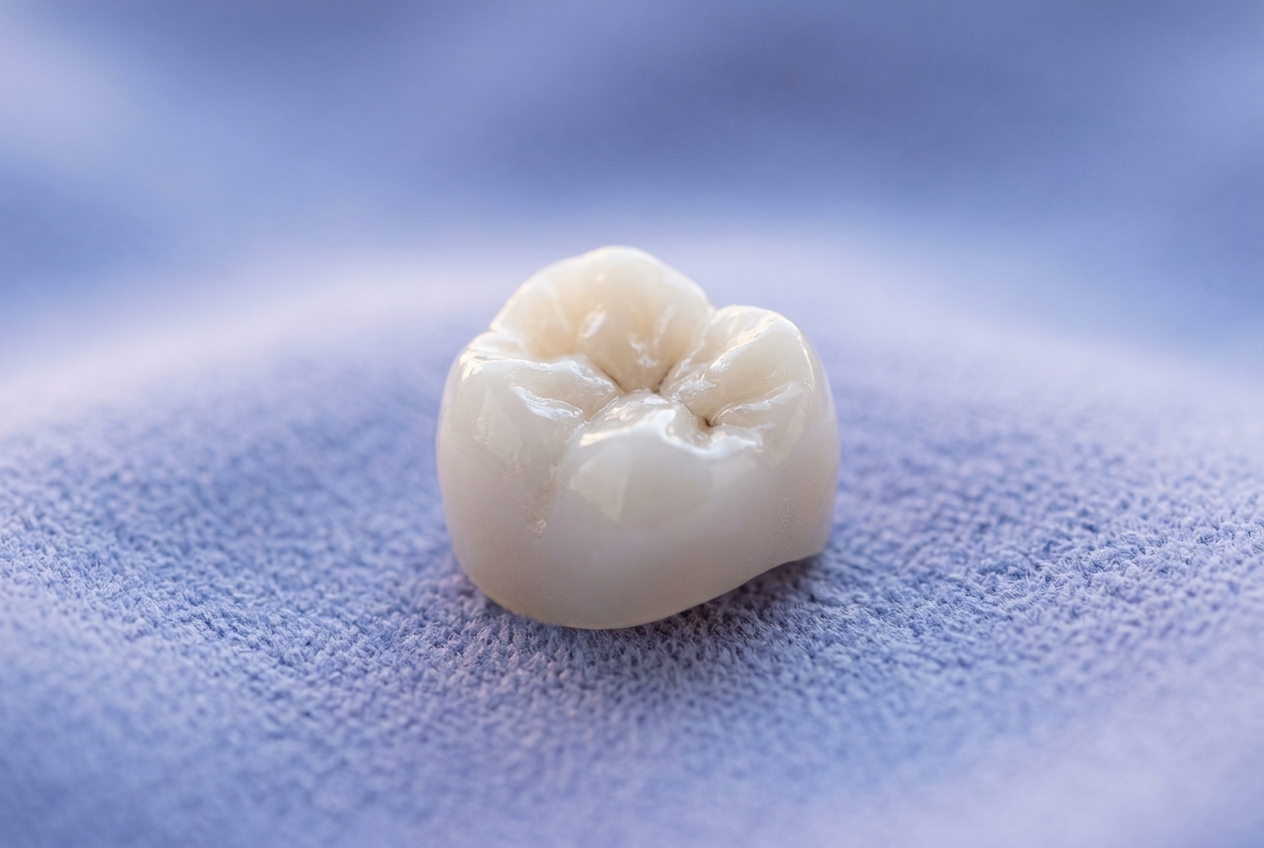
Zirconia is a tooth-coloured ceramic used for crowns and bridges. Here is what a crown and a bridge actually do — and how we decide, with you, what is appropriate.
Who may consider this treatment
Patients who consider zirconia work usually have:
- A broken or heavily restored tooth that needs protection
- A missing tooth where a bridge may be considered
- Concerns about the look of metal-based restorations
- A wish to restore comfortable chewing
What problem it addresses
A crown covers and protects a damaged tooth. A bridge replaces a missing tooth by anchoring to neighbouring teeth. Zirconia is a strong, tooth-coloured ceramic. Whether zirconia — versus other materials — is right for you is an individual clinical decision, made at assessment.
How assessment works
- An examination of the tooth or gap, the supporting teeth and your bite
- Records where clinically needed
- A plain-language explanation of crown vs bridge — and which fits your case
- A material discussion without exaggeration: what zirconia does well, and what other options offer
- Fees explained in writing before anything is decided
Treatment options
The choices we discuss at assessment:
Zirconia crown
Covers and protects a tooth that is broken or heavily restored, in a tooth-coloured ceramic.
Zirconia bridge
Replaces a missing tooth by anchoring a ceramic tooth to neighbouring teeth — considered case by case.
Other materials and options
Zirconia is not automatically superior to every other material for every case. We discuss the trade-offs honestly.
Our philosophy
Treatment journey
ASSESS
A proper look, a proper diagnosis.
EXPLAIN
We explain what we see, in plain language.
OPTIONS
Every reasonable option, on the table.
FEES
Fees before treatment, not after.
DECIDE
You decide. We advise.
TREAT
Treatment, at your pace.
REVIEW
We review, adjust and maintain.
Every patient is different. Your actual pathway is always explained by the doctor after examination.
What patients should know
What patients should know:
- Crown and bridge work requires careful assessment of the supporting teeth and your bite
- Shade and shaping are planned to blend with your natural teeth
- Longevity varies by case, material and home care — no honest dentist quotes a fixed lifespan without examining you
Typical follow-up considerations
Crowns and bridges are reviewed at routine visits. Anything that feels different — a change in bite or a sensitive tooth — deserves a quick call to the clinic.
International patients
Selected restorative treatments — including zirconia crowns and bridges — are among the reasons patients from Indonesia/Batam visit the clinic. See the Indonesia/Batam page.
International PatientsCommon questions
Common questions
What is the difference between a crown and a bridge?
A crown covers and protects one existing tooth. A bridge replaces a missing tooth by anchoring to the teeth beside the gap. Which one fits your case is decided at assessment.
How long does a zirconia bridge last?
It varies by case, bite and home care. No honest dentist quotes a fixed lifespan without examining you — we will tell you what your specific situation suggests.
Is zirconia better than other materials?
Not automatically. Zirconia has strengths — strength and aesthetics — but other materials suit certain cases better. We discuss trade-offs without exaggeration.
Will getting a crown hurt?
Treatment is done under local anaesthesia and planned gently, but every mouth is different. We explain what to expect before anything begins.
Still exploring?
Message the clinic. We will help you understand whether this treatment suits you — honestly.